
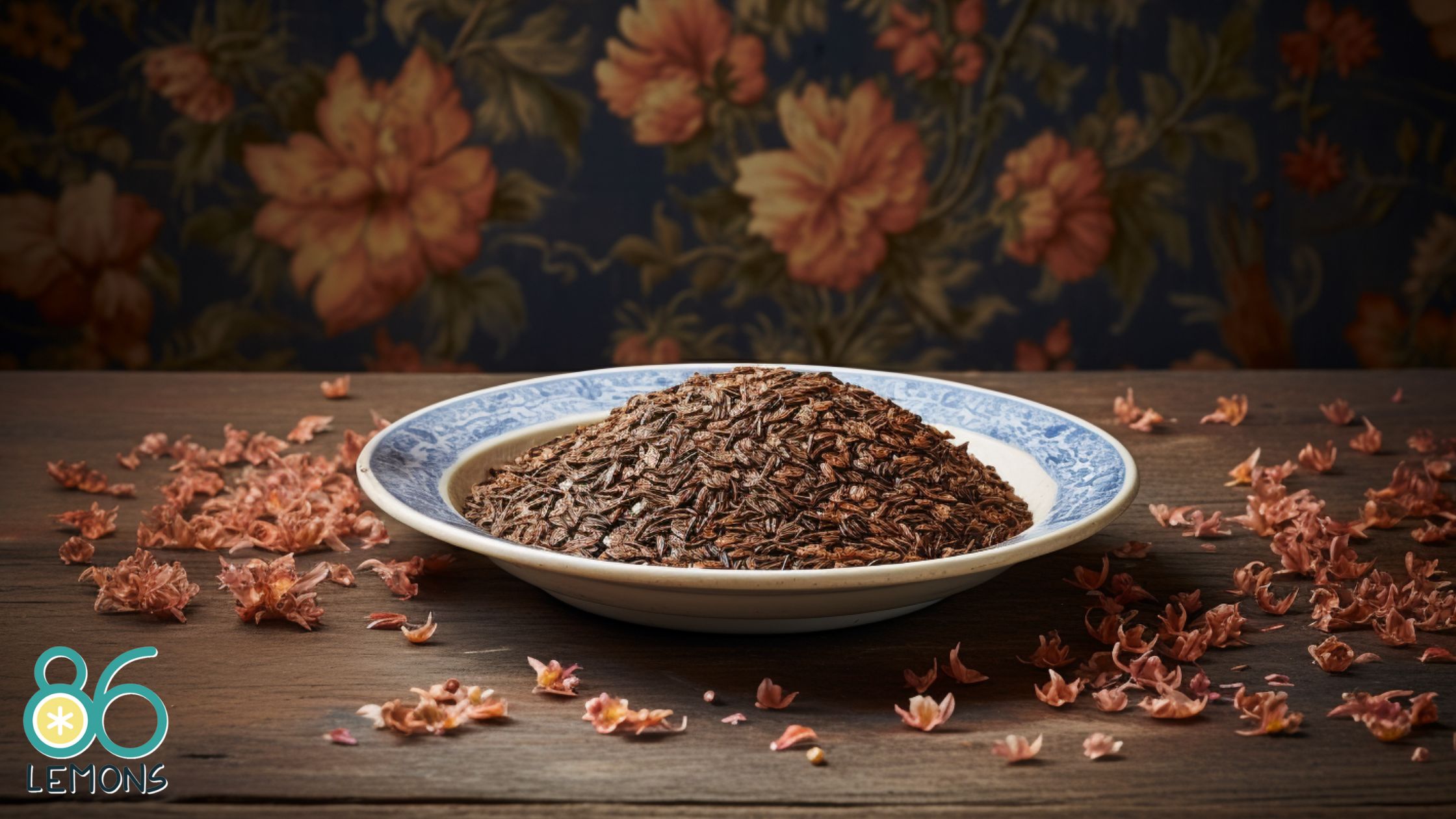
The buzz around superfoods has been growing, and one star player that consistently ranks high on the list is flaxseed. Extracted from the flax plant, these tiny, nutty-flavored seeds are loaded with nutrients and offer a range of health benefits.
They are a fantastic source of omega-3 fatty acids, which is helpful if you find it hard to find vegan omega 3 supplements. Flaxseeds are also rich in lignans, which may reduce the risk of certain cancers, and they’re an excellent source of dietary fiber, supporting digestive health.
When incorporating flaxseed into my diet, I look for versatility and quality. Flaxseeds can be consumed whole or ground. On the journey to find the best flaxseed, it’s crucial to consider the form, the source, and the processing methods.
Organic, non-GMO seeds from a reputable company ensure the highest quality. Additionally, cold-milled flaxseeds retain the most nutrients, as excessive heat can degrade some of the benefits these seeds offer.
When shopping for flaxseed, I also pay attention to the packaging. Flaxseeds are best kept in a dark, airtight container to preserve their delicate oils and prevent rancidity.
Considering all these factors, I’ve sifted through various brands and types to determine which options contribute best to a vegan diet. After trying several, I’m excited to tell you about the ones that stand out and make that morning smoothie or sprinkle on a salad worth it.
Top Flaxseed Picks for Your Plant-Based Pantry
I’m excited to share my selection of the best flaxseeds on the market, perfect for those of us following a plant-based lifestyle. Rich in omega-3 fatty acids, fiber, and essential nutrients, flaxseeds are a fantastic addition to any vegan kitchen.
Whether sprinkling them on your oatmeal or blending them into a smoothie, these tiny seeds pack a powerful nutritional punch. Let’s dive into the products I’ve found to be the most reliable, nutritious, and versatile for daily use.
Spectrum Ground Flaxseed
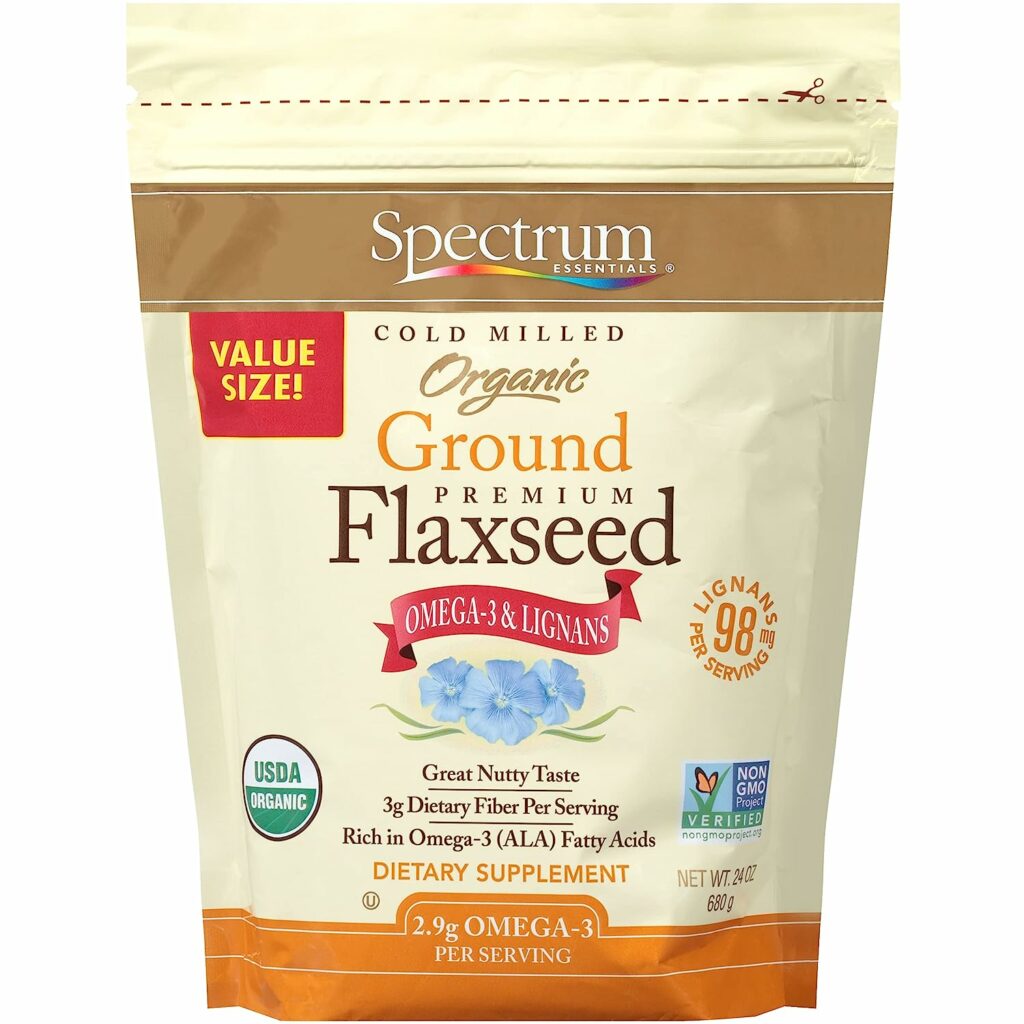
I’d say grab this Spectrum Ground Flaxseed if you’re after a nutty addition to your plant-based diet. It’s packed with goodness!
Pros
- Fantastic nutty flavor that enhances meals
- High in dietary fiber, great for digestion
- Abundant in Omega 3 fats, supporting heart health
Cons
- Packaging may be tricky to reseal
- When added to lighter dishes, the taste can be overpowering
- Some users have reported issues with freshness upon delivery
I recently decided to try Spectrum Essentials Organic Ground Premium Flaxseed, and I’m pretty stoked about it. This stuff is a flavor booster for my morning smoothies and oatmeal and significantly ramps up my daily nutrient intake.
Since I’m always looking for plant-based sources of essential fatty acids, incorporating this flaxseed into my diet has been a game-changer. It’s brimming with Omega 3s, vital for keeping my heart happy and skin glowing.
What I’ve noticed is that it lends a rich, nutty kick to baked goods, too. Plus, it feels good knowing I’m getting that extra fiber and lignans, which I meticulously track as a vegan. Just remember to drink plenty of water to aid the flaxseed’s digestive benefits.
Viva Naturals Ground Flaxseed
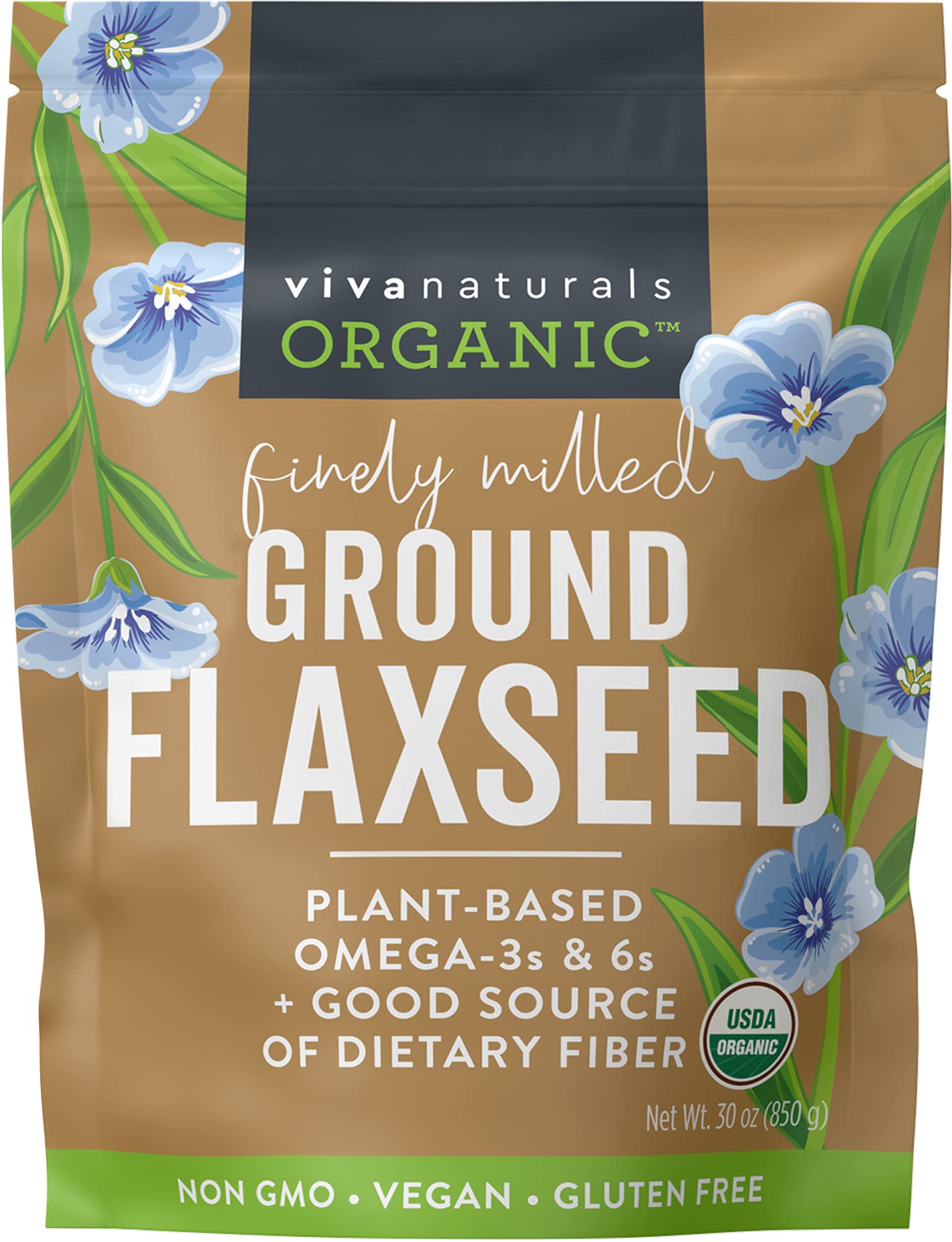
I just added this flaxseed to my smoothie, and I’m impressed with how it’s boosted my energy levels while keeping things completely plant-based.
Pros
- Exceptionally smooth texture that blends seamlessly
- Offers a hearty boost of plant-based protein and fiber
- Pleasant, nutty taste with versatile use in recipes
Cons
- Storage needs attentiveness to maintain freshness
- Fine milling might not suit those preferring whole seeds
- Might not agree with everyone’s taste buds
I found Viva Naturals Ground Flaxseed to be a game-changer in my kitchen. Sourced from the pristine Canadian prairies, its quality is apparent from the first sprinkle. This flaxseed is finely milled, making it an incredible thickener for my morning vegan protein shake without any gritty residue.
I appreciate how this flaxseed adds an effortless nutritional punch to my meals. Stirring it into oatmeal or blending it into homemade salad dressings, I consistently get omega-3s and fibers.
As someone mindful of my health and the environment, I’m thrilled to support a company that values organic, non-GMO, and sustainable practices. Its impressive versatility makes Viva Naturals Ground Flaxseed a staple in my pantry.
Flax Supreme
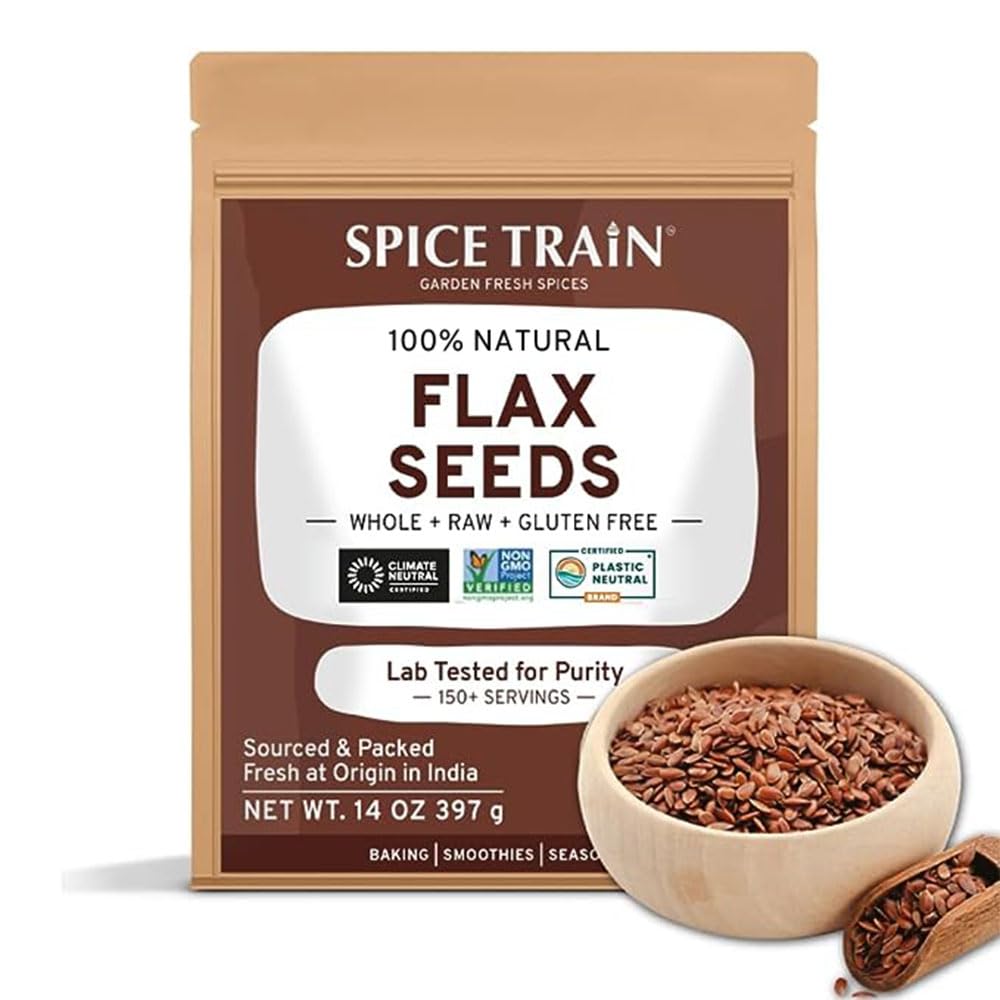
I just sprinkled some Flax Supreme on my morning smoothie, and I’m impressed by the fresh, nutty flavor it added!
Pros
- Enhances meals with a delightful nutty flavor
- Ethically sourced, pure, non-GMO, and gluten-free
- Supports environmental sustainability initiatives
Cons
- Might not suit all taste preferences
- Limited use for those unfamiliar with flaxseed recipes
- Processes in a facility with potential allergens
Tossing a spoonful of these Flax Supreme seeds into my blender, I could instantly tell they would be a game-changer for my breakfast routine. Their versatility is splendid; whether blended in smoothies or baked into bread, they mix effortlessly.
I’m quite mindful of where my food comes from, and knowing that these are ethically sourced from the lush fields of India gives me peace of mind. Plus, they’re coming from a carbon-neutral and plastic-neutral brand is a win-win for me and the planet.
Their resealable zip-lock keeps the seeds fresh for longer, which is crucial because I don’t like waste. Just be aware of the allergen information if you have sensitivities.
Sanar Naturals Flaxseed Mix
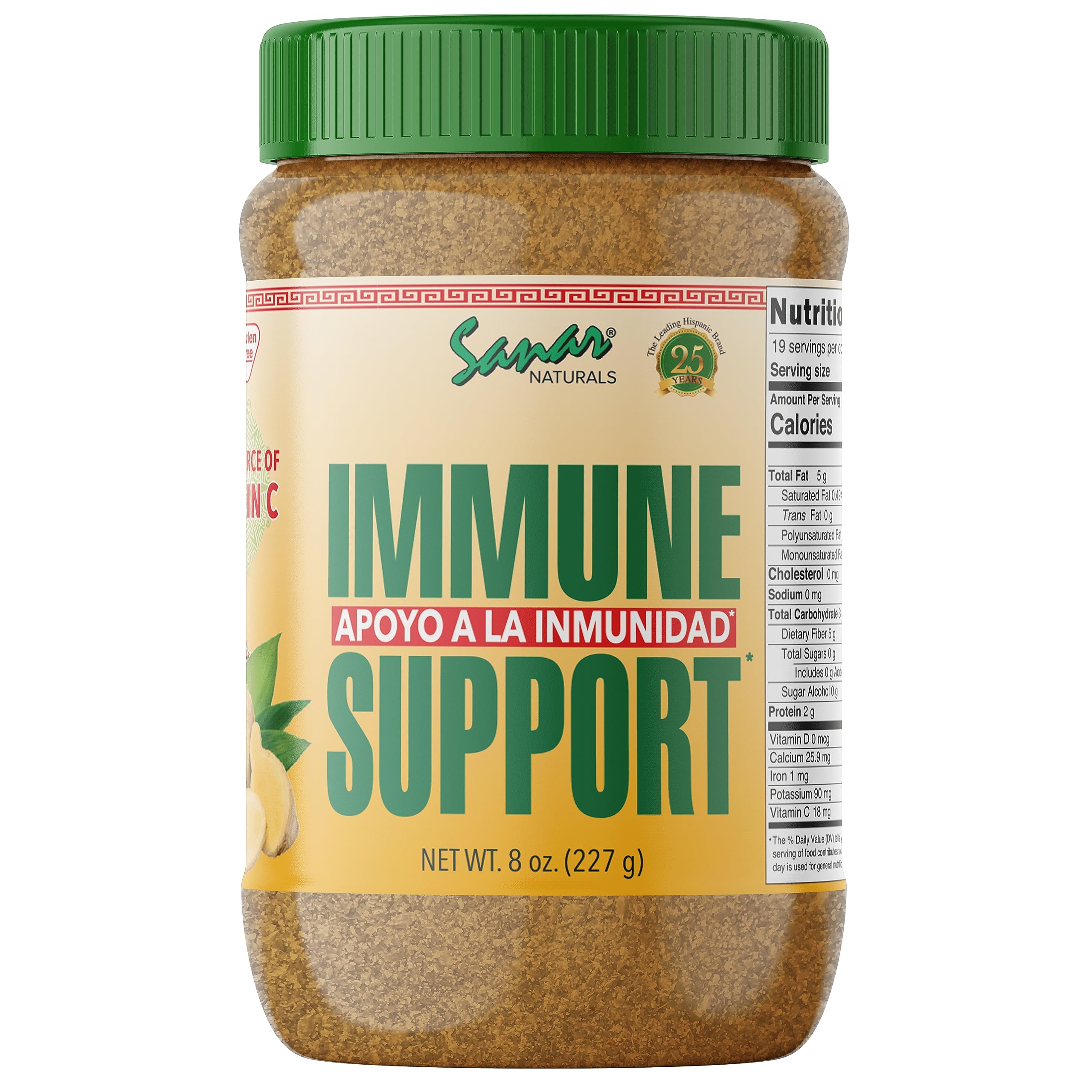
I’m convinced that this blend is a must-have for anyone looking to supercharge their plant-based diet with an extra dose of wellness.
Pros
- Packed with natural vitamin C sources and probiotics for robust immunity.
- Versatile additions to various meals make fiber intake seamless.
- Sweetens recipes naturally, adding zest to my dietary routine.
Cons
- The stevia sweetener might be overpowering for some taste preferences.
- Could be too specific for those just looking for plain flax seeds.
- Those not fond of the natural sweetness might have a limited-use palette.
Just folding a couple of tablespoons of Sanar Natural’s flaxseed mix into my morning smoothie seems to kick-start my day with vibrance. The vitamin C sourced from acerola and camu camu and the added boost from turmeric and spirulina leave me feeling more fortified against everyday stressors.
The nuanced sweetness the mix offers adds a pleasant twist to my oatmeal and yogurt. To top that off, the probiotics are a subtle nod to gut health, and I’ve noticed feeling fuller for longer, which effortlessly aids in managing my weight.
Sanar Naturals blend cleverly fits into my vegan lifestyle with its gluten-free, non-GMO pedigree. Despite the occasional overpowering sweetness stevia brings to the table, its benefits to my overall well-being easily outweigh this minor con.
READ NEXT: Best Tempeh Brands: First Picks for Plant-Based Protein
Buying Guide
When I pick flaxseed, I look for key qualities to ensure I’m getting the best.
Forms of Flaxseed
I consider the form of flaxseed that suits my lifestyle:
- Whole flaxseed: Good for a longer shelf life, but I grind it before use to get the full benefits.
- Ground flaxseed: I prefer this for easier digestion and immediate use.
- Flaxseed oil: It contains high levels of omega-3 fatty acids but lacks the fiber found in whole and ground seeds.
| Form | Shelf Life | Digestibility | Nutritional Content |
|---|---|---|---|
| Whole | High | Low | Fiber + Omega-3 (ALA) |
| Ground | Medium to High | High | Fiber + Omega-3 (ALA) |
| Oil (liquid or capsule) | Varies | N/A | Mainly Omega-3 (ALA) |
Nutritional Content
I always check for:
- Omega-3 fatty acids (ALA): Essential for a plant-based diet.
- Fiber: It should be high, especially if I use flaxseed for digestive health.
- Lignans: I look for high levels due to their antioxidant properties.
Purity and Quality
I look out for:
- Organic certification: To ensure no harmful chemicals are involved.
- Non-GMO verification: I prefer my flaxseed to be natural without genetic modification.
Packaging
Proper packaging is crucial to preserve freshness:
- Airtight sealing: I ensure it’s well-sealed to maintain the nutritional quality.
- Dark container: To protect the seeds or oil from light, which can cause spoilage.
By following this guide, I can confidently incorporate flaxseed into my plant-based diet, knowing it’s contributing positively to my health.
