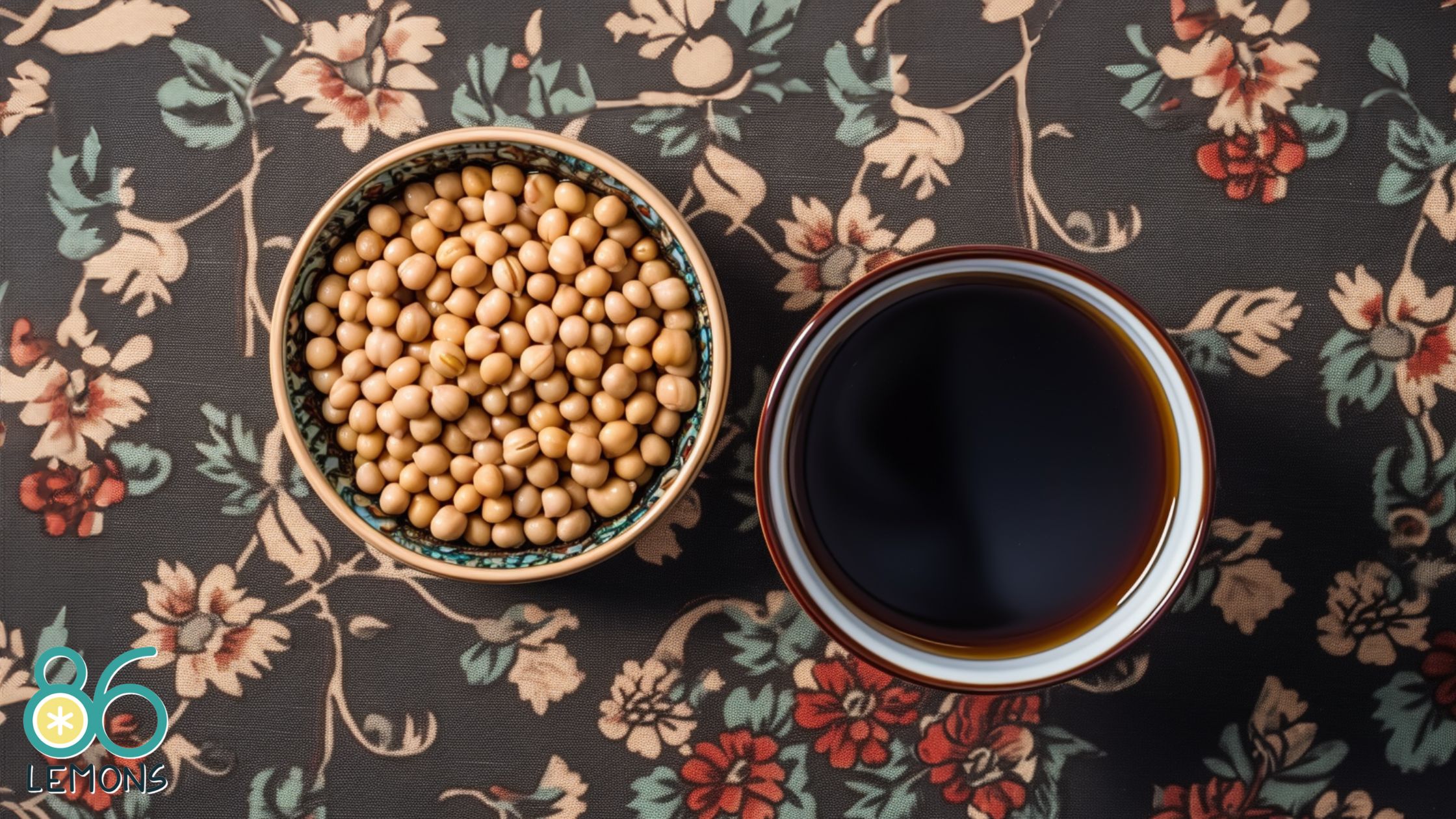
Soy sauce is a staple in many kitchens around the globe, beloved for its ability to add depth and umami to dishes. Traditionally, it’s brewed from soybeans, wheat, salt, and fermenting agents, but it’s the fermentation process that could raise an eyebrow for vegans—sometimes this involves animal-derived ingredients.
Hunting for a vegan soy sauce means making sure that it’s brewed without any animal-derived products, giving those of us following a plant-based diet peace of mind while seasoning our stir-fries, marinades, and soups. Vegan soy sauces come in various forms, from traditionally brewed to gluten-free alternatives like tamari, which is a great option for those with gluten sensitivities.
When shopping for the best vegan soy sauce, it’s essential to check labels for certifications like ‘certified vegan’ or ‘certified organic.’ It is not just about the absence of animal products but also about the quality of ingredients.
I’ve dedicated a good amount of time to tasting and researching various brands to find those that stand out in flavor, quality, and ethical production. I’ll be sharing which vegan soy sauces made the cut for me and why they deserve a spot in your pantry.
Best Vegan Soy Sauce Brands to Elevate Your Cooking
Here, I share with you the best vegan soy sauces that will surely up your kitchen game and add that magical touch to your stir-fries, marinades, and sauces. Whether you’re a long-time vegan or just dipping your toes into the world of plant-based flavors, these soy sauces are guaranteed to impress.
San-J Tamari
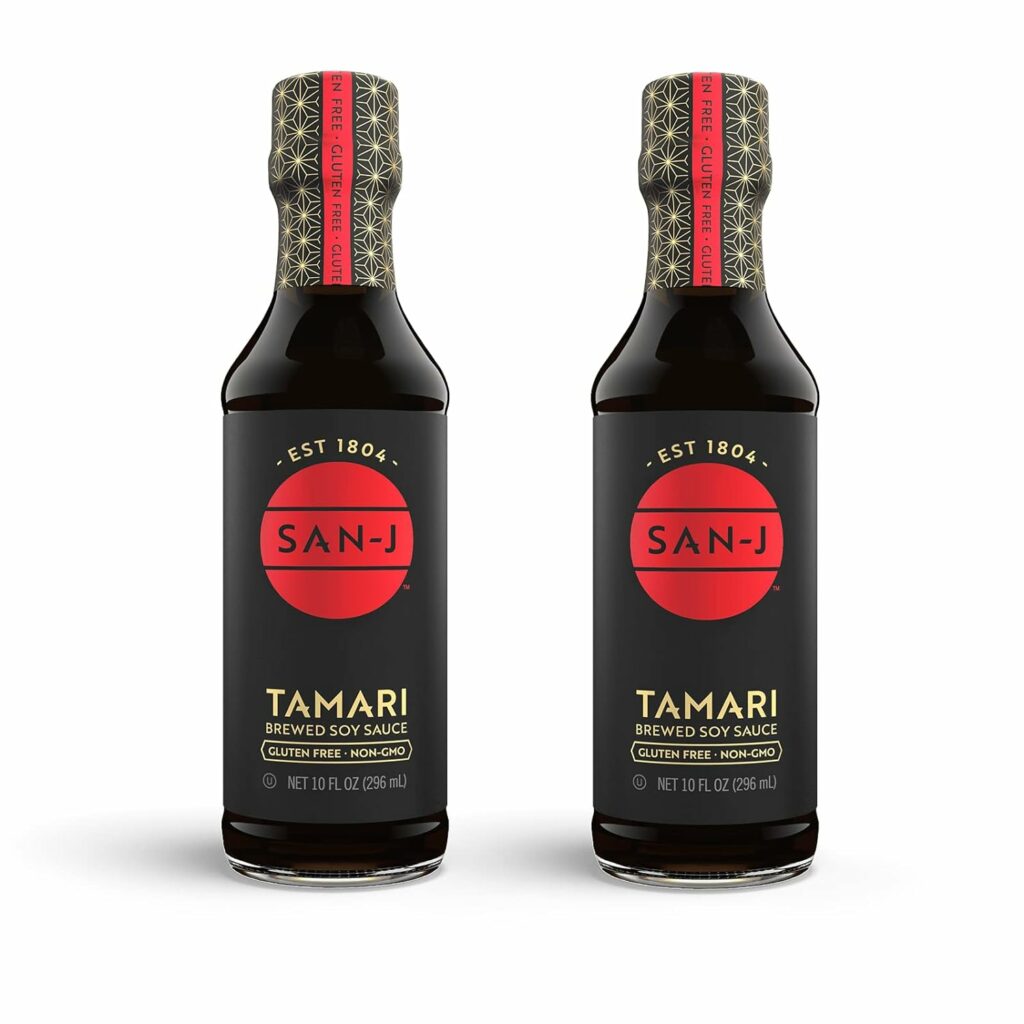
If you’re seeking an authentic umami kick for your vegan dishes, San-J Tamari is a tastebud delight.
Pros
- Enhances flavors without being overly salty
- Complements a plethora of dishes from stir-fries to dressings
- Supports various dietary needs, being gluten-free and non-GMO
Cons
- Slightly pricier than some non-specialty soy sauces
- Taste may differ from traditional soy sauces, surprising some palates
- Packaging may sometimes sustain damage during shipping
I recently had the opportunity to try out San-J Tamari Soy Sauce, and my kitchen hasn’t been the same since. This sauce is a game-changer for anyone on a vegan diet or looking for gluten-free options. As someone who adores cooking, it slid seamlessly into my culinary repertoire. The rich, full-bodied taste it imparts to my stir-fries is beyond comparison, and I find that it isn’t as salty as some other brands, which is a huge plus in my book.
San-J’s commitment to providing a product that ticks all the boxes for health-conscious and dietary-restricted individuals is admirable. It’s not often that you come across a soy sauce that’s both kosher and vegan, making it accessible for a wide range of diets.
Transparency is key in any product I use, and I appreciate that San-J Tamari is upfront about its ingredients—simple, non-GMO, and free from unnecessary additives. This is crucial for anyone scrutinizing their intake and aiming for a cleaner diet.
Despite its slight premium over other soy sauces and a slightly different taste profile that may require an adjustment for some, I see it as a valuable investment in my health and culinary enjoyment.
Ocean’s Halo Soy-Free Sauce
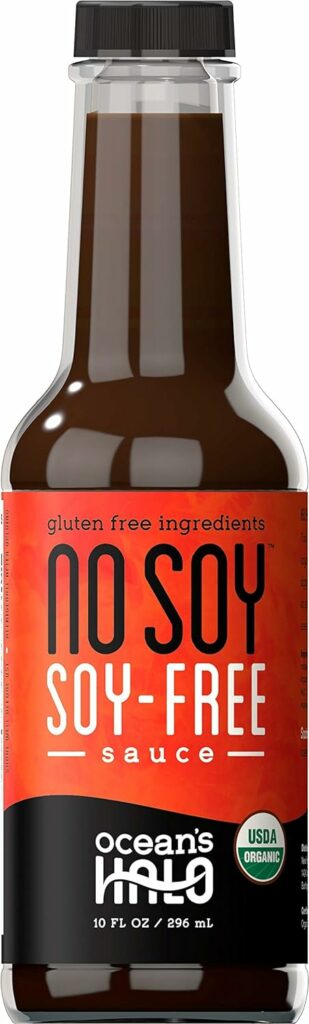
I just whipped up a stir-fry using Ocean’s Halo Soy-Free Sauce, and my taste buds couldn’t tell it was without soy. Perfect for anyone looking to ditch soy without sacrificing flavor.
Pros
- Mimics the umami richness of regular soy sauce splendidly
- Eco-conscious choice, steering clear of soy-related deforestation
- Its organic and gluten-free nature suits a variety of dietary needs
Cons
- Slightly less salty, which might require an adjustment for some
- Pricier compared to traditional soy sauces
- May not satisfy purists who are sticklers for that classic soy taste
I’ll admit I was skeptical at first about a soy sauce stand-in. Could it really match that depth of flavor? To my delight, it did. The Ocean’s Halo Soy-Free Sauce delivered that umami punch I crave in my veggie stir-fry, and with sushi, it was a seamless substitute. The joy of finding a product that aligns with my vegan principles and tastes great is a win in my book.
Sustainability is a big deal for me, and knowing that the seaweed in this sauce is harvested from organic-certified ocean farms gives me peace of mind. It’s a responsible choice for the planet, embracing the need for alternative and sustainable food sources.
While I enjoy the slightly lighter touch on salt, for those who love their sauces saltier, this might be a mild hiccup. However, this can be an advantage for anyone watching their sodium intake. The price tag is something to consider as well – investing in health and the environment often comes at a premium.
NPG Soy Sauce Duo
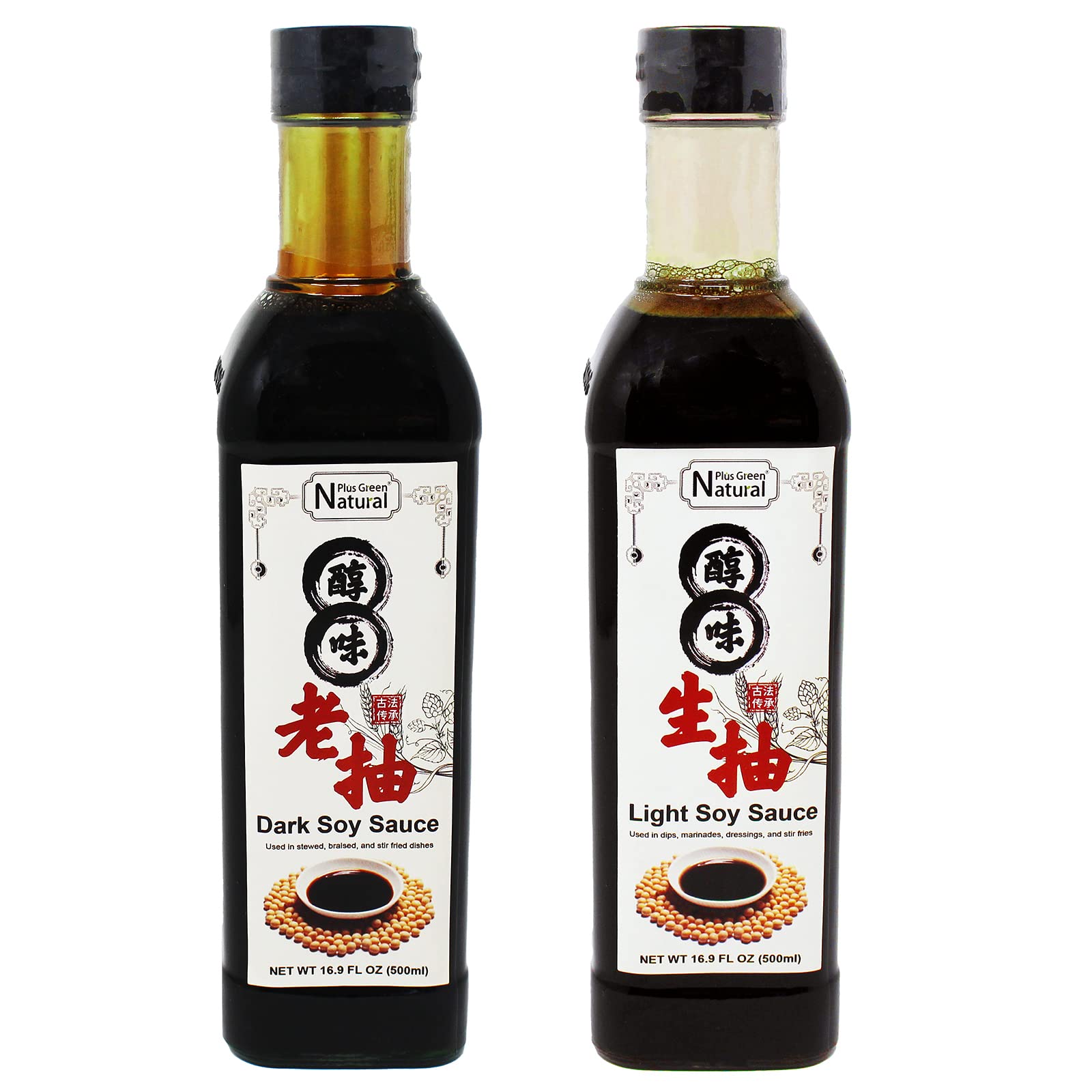
I highly recommend this NPG Soy Sauce Set for anyone seeking a high-quality, versatile vegan condiment that’s as good on the table as it is in the kitchen.
Pros
- Rich and full-bodied flavor
- Two-bottle variety for multiple uses
- Health-conscious with no preservatives or GMOs
Cons
- Higher cost compared to some brands
- Possible saltiness for low-sodium diets
- Glass bottles require careful handling
I just had the pleasure of trying out the NPG Premium Light and Dark Soy Sauce Set, and it’s a game-changer. The two distinct flavors offer incredible versatility – the lighter sauce is perfect for a mild yet savory dip for sushi, while the dark soy adds a robust depth to stir-fries and marinades that are undeniably delicious.
The commitment to purity strikes a chord with me. In a world of additives and preservatives, it’s refreshing to find a product that keeps it simple and natural. You can taste the cleanliness in every drop, and it’s a comfort knowing what goes into my body aligns with my vegan lifestyle.
Admittedly, the price tag is a notch above your garden-variety soy sauce, but in my experience, you get what you pay for. With this duo, I’m paying for quality, taste, and peace of mind. That said, if you’re watching your salt intake, go easy on the pour – these brews pack a punch in the flavor department, which includes a noticeable level of saltiness.
Kishibori Shoyu
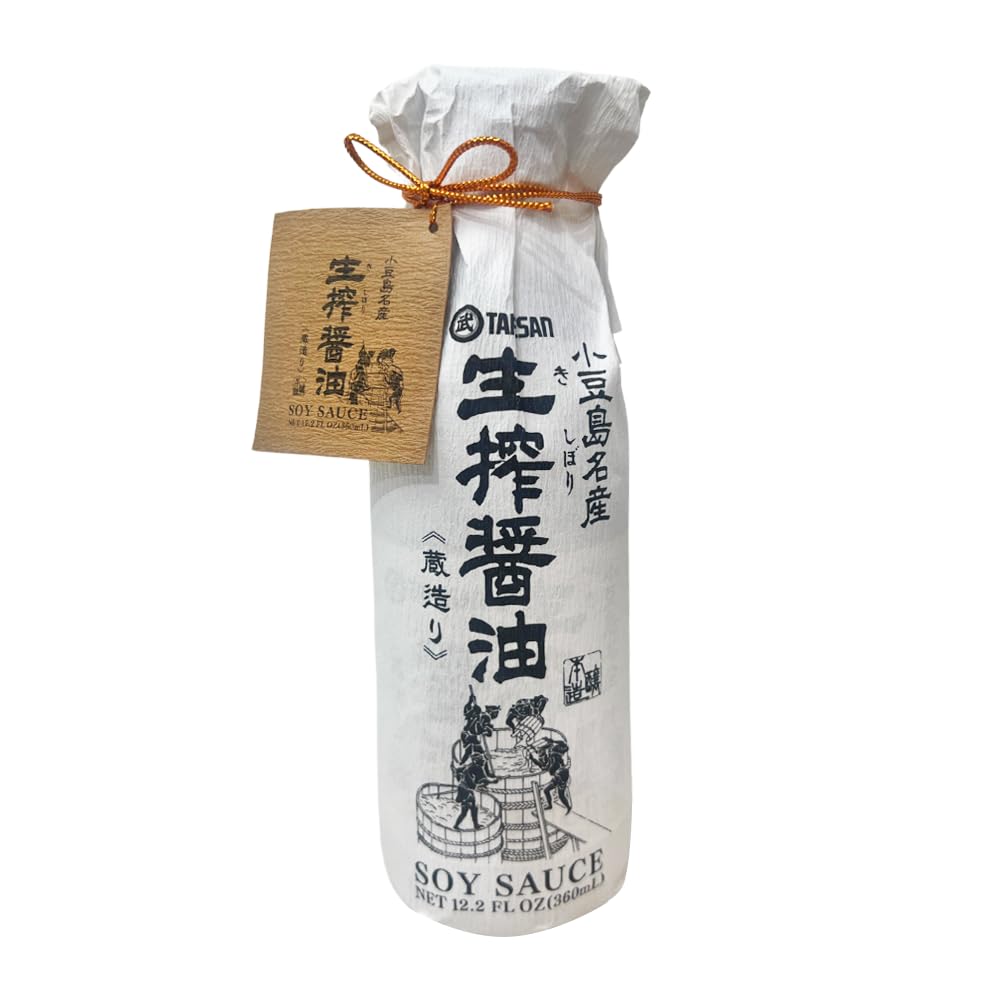
If you’re aiming to elevate your cooking with authentically crafted flavors, Kishibori Shoyu is a must-have in your pantry.
Pros
- Brewed traditionally in century-old barrels, delivering a nuanced taste
- Free of additives and preservatives, embracing a pure, natural flavor profile
- Its versatility enhances not just sushi, but a wide array of dishes
Cons
- Higher price point compared to regular soy sauces
- The distinctive taste might be a new territory for some palettes
- Limited availability may make it hard to find locally
I recently got my hands on Kishibori Shoyu, and let me tell you, it’s a game changer for anyone who loves to add depth to their meals without overpowering them with saltiness. As a vegan, I’m always on the lookout for quality ingredients that bring a punch of flavor to plant-based dishes, and this premium soy sauce fits the bill perfectly.
The moment I cracked open the bottle, I was greeted with a rich, almost earthy aroma that was miles away from the generic soy sauces lining the supermarket shelves. Drizzling it over a simple stir-fry, the balanced taste was undeniable. There was no need to reach for any other seasonings; this soy sauce brought each vegetable to life with just a few drops.
Using Kishibori Shoyu has reminded me of the importance of choosing ingredients mindfully. It feels great to support artisanal methods that have stood the test of time. Sure, the cost is a tad higher than what I’d usually spend on soy sauce, but when it comes to quality, it’s worth every penny. Its full-bodied flavor has not only enriched my meals but also sparked creativity in my vegan kitchen.
Kikkoman Japan Made Soy Sauce
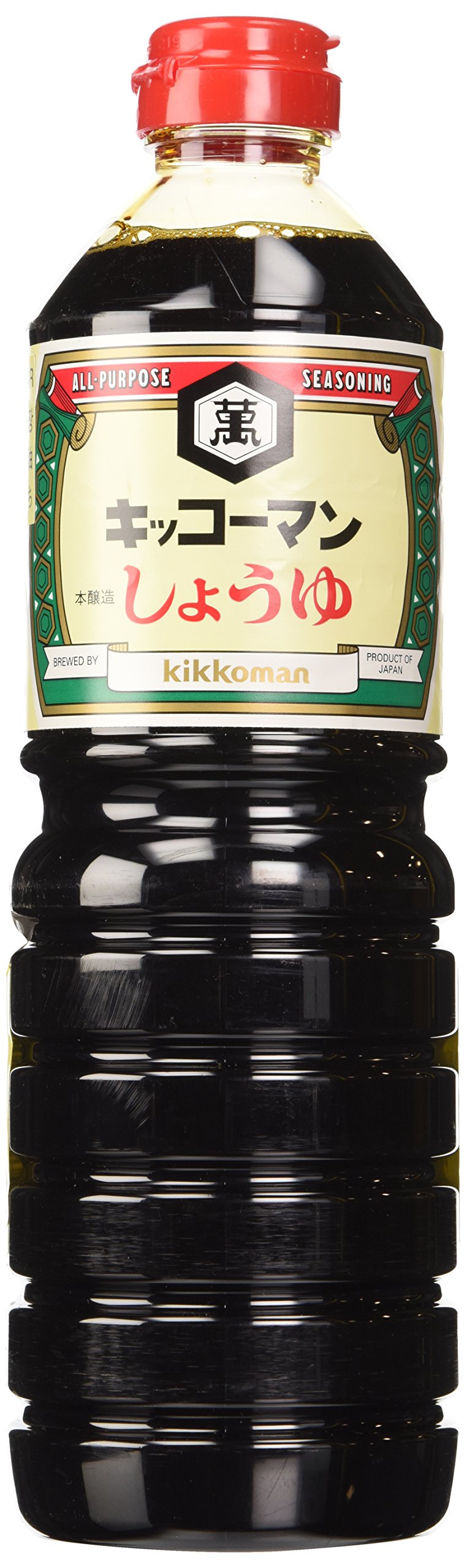
If you’re looking for a high-quality vegan soy sauce that enhances any dish, this is the one for you.
Pros
- Enhances flavors without overwhelming
- Less salty with a complex, rich taste
- Large bottle offers great value
Cons
- A bit pricier than some other brands
- The bottle is large and may be unwieldy for some
- May be too mild if you prefer a very strong soy sauce taste
I recently had the chance to try Kikkoman’s Japan Made Soy Sauce in my kitchen, and it’s been a delightful addition. Its rich and yet not too salty taste pairs excellently with all my vegan stir-fries and sushi nights, adding that perfect umami without taking over the dish’s flavor profile.
Staying true to my vegan lifestyle, it’s been a quest to find condiments that match my ethics without compromising on quality. This soy sauce hits the mark, coming from a brand that’s well-respected for its traditional brewing methods. And it’s such a great feeling knowing I’m enjoying flavors that are authentically Japanese.
Considering the size of the bottle, this soy sauce has become a mainstay in my pantry. When I’m whipping up a quick tofu scramble or marinating some tempeh, a splash of this Kikkoman soy sauce makes all the difference. Plus, it’s reassuring to know that I won’t need to restock anytime soon, giving me one less thing to worry about.
San-J Tamari Splash
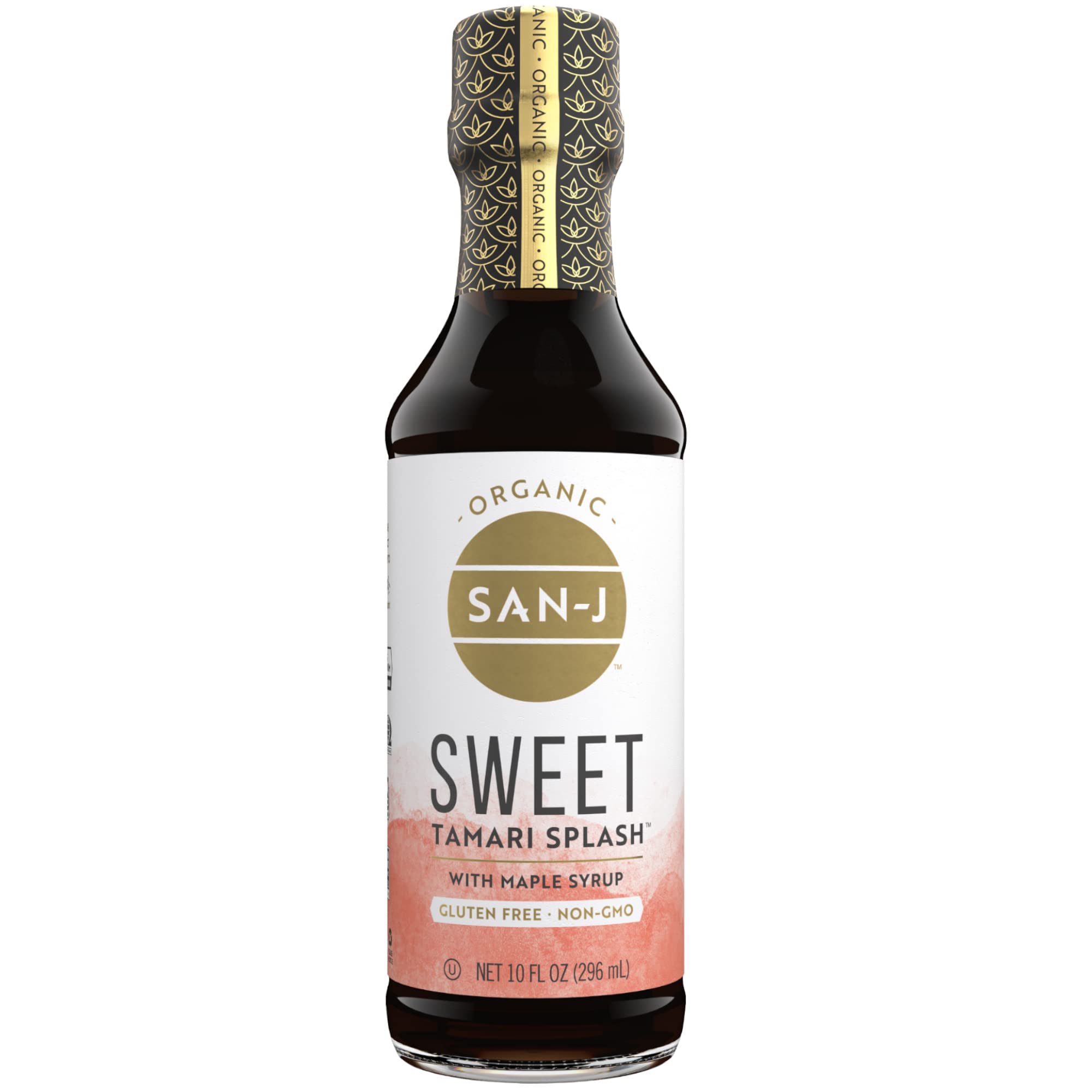
This Tamari Splash would easily elevate your next meal with its unique sweet twist on traditional soy sauce.
Pros
- Remarkably enhances flavors
- Health-conscious choice with less sodium
- Allergen-friendly for gluten and GMO concerns
Cons
- Bottle design could be better
- Not as thick as some may prefer for a sauce
- Price point may be higher compared to other soy sauces
Having had my fair share of bland and uninspiring tofu dishes, the San-J Tamari Splash has been a game-changer for me. Its sweet and savory balance perks up any vegan stir-fry or marinade I make. Admittedly, I was concerned about salt intake but was pleasantly surprised to learn it has significantly less sodium than conventional tamari.
I especially appreciate that it’s FODMAP-friendly, considering the dietary restrictions some of my friends have. Being able to share food freely without worrying about gluten or GMOs lets everyone dig in without hesitation. It feels good to endorse a product that aligns so well with a compassionate, vegan lifestyle.
The only gripes I have are minor—when I first got the bottle, the design threw me off as it wasn’t as sturdy as I hoped. Additionally, for dishes where I crave a thicker consistency, this sauce is a tad on the runnier side. And while I don’t mind investing in quality food products, some buyers might find it pricier than they expected.
READ NEXT: Best Date Syrup Brands: Ultimate Picks for Sweet Lovers in 2024
Buying Guide
When I’m on the lookout for the best vegan soy sauce, there are several key features I consider to make sure I’m getting a top-notch product that aligns with my vegan lifestyle. It’s important to scrutinize the labels for both the ingredients and the certifications.
Ingredients
Check the label for:
- Soybeans: The soybeans used should be non-GMO.
- Water: Pure and without additives.
- Salt: Preferably sea salt.
- Wheat: Some soy sauces contain wheat, so look for wheat-free if you’re also avoiding gluten.
Certifications
I also look for:
- Organic Certification: To ensure no pesticides or chemicals were used.
- Vegan Certification: Assurance that no animal products or testing were involved.
- Non-GMO Project Verified: For avoiding genetically modified ingredients.
Sodium Content
- Reduced Sodium: Some brands offer lower sodium options, which I go for to maintain a healthier diet.
Allergen Information
Since soy is a common allergen, I make sure that the cross-contamination risk is minimal, especially if sharing with friends who have allergies.
Taste Profile
While not quantifiable, I trust my taste buds to guide me. The sauce should have a balance between umami, sweet, and salty flavors without a dominating note that overshadows the rest.
By keeping these factors in mind, I can pick a soy sauce that fits my vegan values without sacrificing taste or quality. Check out some vegan cookbooks next to get those soy sauce options to use!
