
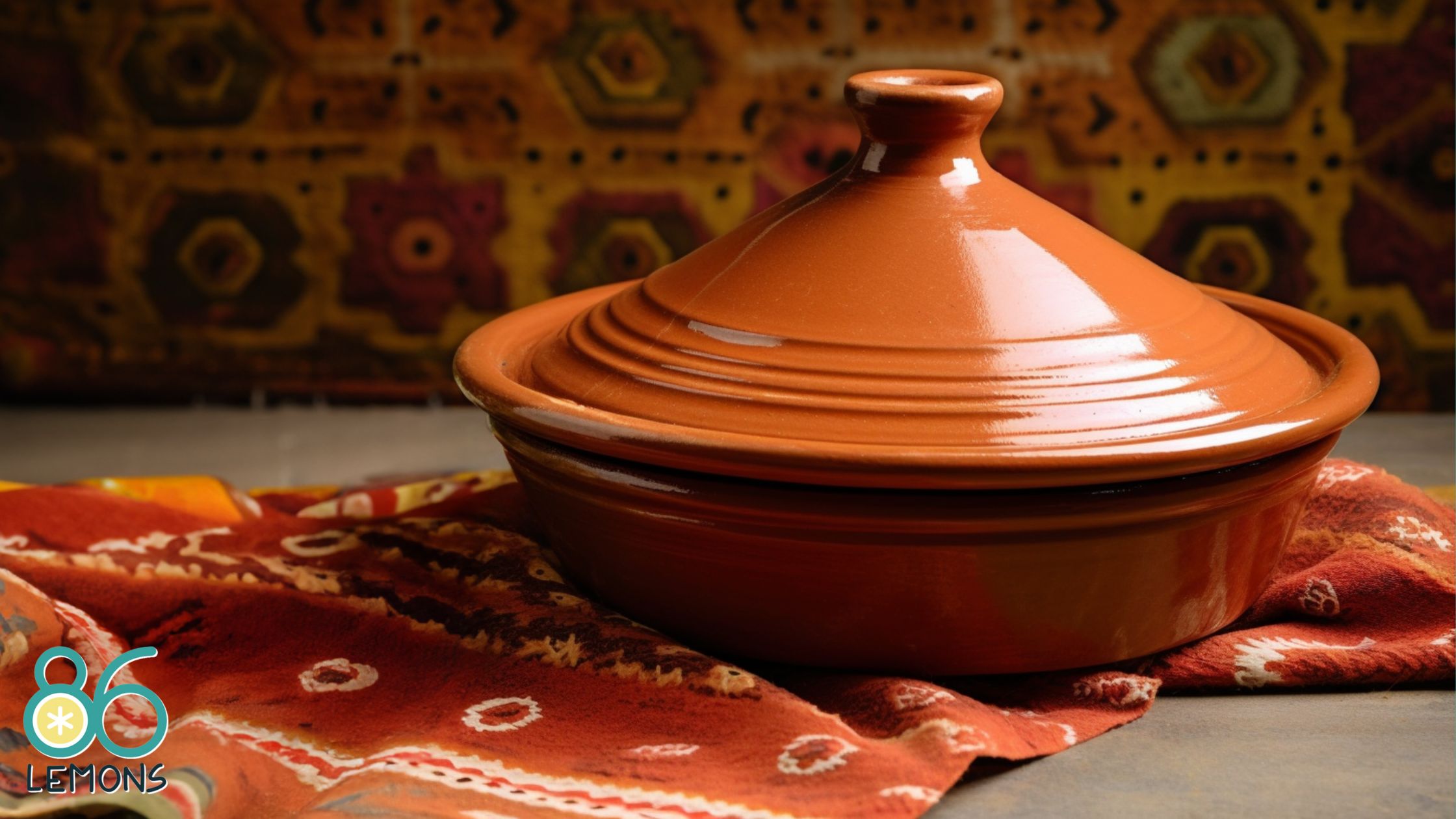
Tagines are a quintessential part of Moroccan cuisine, offering a unique combination of slow-cooked richness and hearty flavors. This traditional North African cookware, named after the dish it’s designed to prepare, seals in moisture and concentrates flavors, allowing spices and aromatics to infuse deeply into the food.
As a vegan, I’m always looking for ways to enhance the taste of plant-based ingredients, and a tagine does just that. Its conical lid and heavy base ensure that even the most humble vegetables emerge tender and flavorful.
When selecting the best tagine for your kitchen, it’s essential to consider the material. Clay or ceramic tagines provide excellent heat distribution, ideal for those long, slow simmers, but they require careful handling and gradual heating to prevent cracking.
Cast iron versions, albeit heavier, offer superb heat retention and are a bit more forgiving with temperature fluctuations. The size of the tagine is also a pivotal factor, especially if you’re cooking for a crowd or just making a cozy dinner for one.
As I delved into the world of tagines, I found that the best ones make the cooking process almost as delightful as the eating. With the right tagine, my kitchen fills with the scents of cumin, coriander, and cinnamon, promising a meal that’s not just nourishing but steeped in the essence of Moroccan tradition.
Best Tagines You’ll Love
Here’s my roundup of the best tagines on the market, ideal for anyone who loves to infuse their dishes with rich, plant-based flavors without any fuss. Whether you’re a seasoned chef or just starting your culinary adventure, these tagines will help you whip up hearty vegan meals that are sure to impress.
Kamsah Supreme Bohemian Blue Tagine
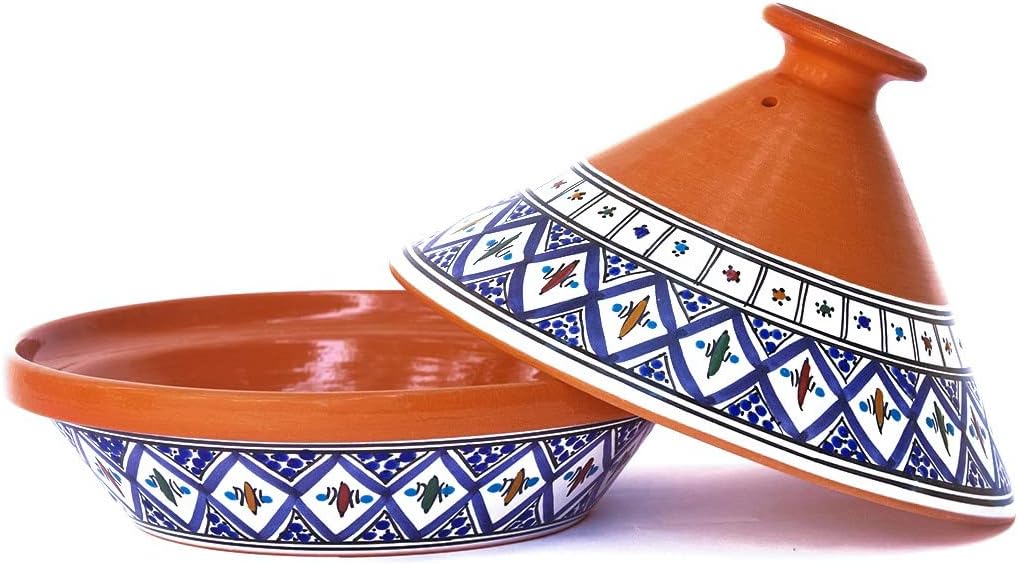
I recently had the pleasure of using this Tagine, and I must say, it’s a game-changer for anyone who values artful presentation alongside scrumptious, healthful cooking.
Pros
- Mesmerizing design doubles as functional art
- Generous size perfect for sharing meals
- Conducts heat evenly, enhancing flavors
Cons
- Initial temperature adjustments require attention
- Not suitable for dishwashers due to being hand-painted
- It’s so beautiful you might be hesitant to use it at first!
I hadn’t cooked with a ceramic pot in a long time, but using the Kamsah Tagine transported me back to the heart of Moroccan cuisine. The vivid, hand-painted design immediately caught my eye, serving as a conversation piece as much as a cooking vessel. I noticed the steam circulated effectively under the conical lid, infusing my vegetable stew with an array of spices and herbs.
Considering it’s all handmade, I was keen on treating this tagine with the utmost care. Slow and steady heat is the way to go, building up gradually to prevent any damage. The effort paid off in a dish brimming with perfectly mingled flavors. Plus, being ceramic, it retained the heat, keeping my concoction nice and warm throughout my dinner party.
Cleanup was a breeze as everything just slid off the glazed interior. I hand-washed it, which wasn’t an issue for me as I wanted to preserve the tagine’s beauty. However, as magnificent as this treasure is, it’s best enjoyed by using it rather than just admiring it. Though it’s a bit delicate, I feel it’s more than worth the extra attention for the amplified dining experience it offers.
Emile Henry Burgundy Flame Tagine
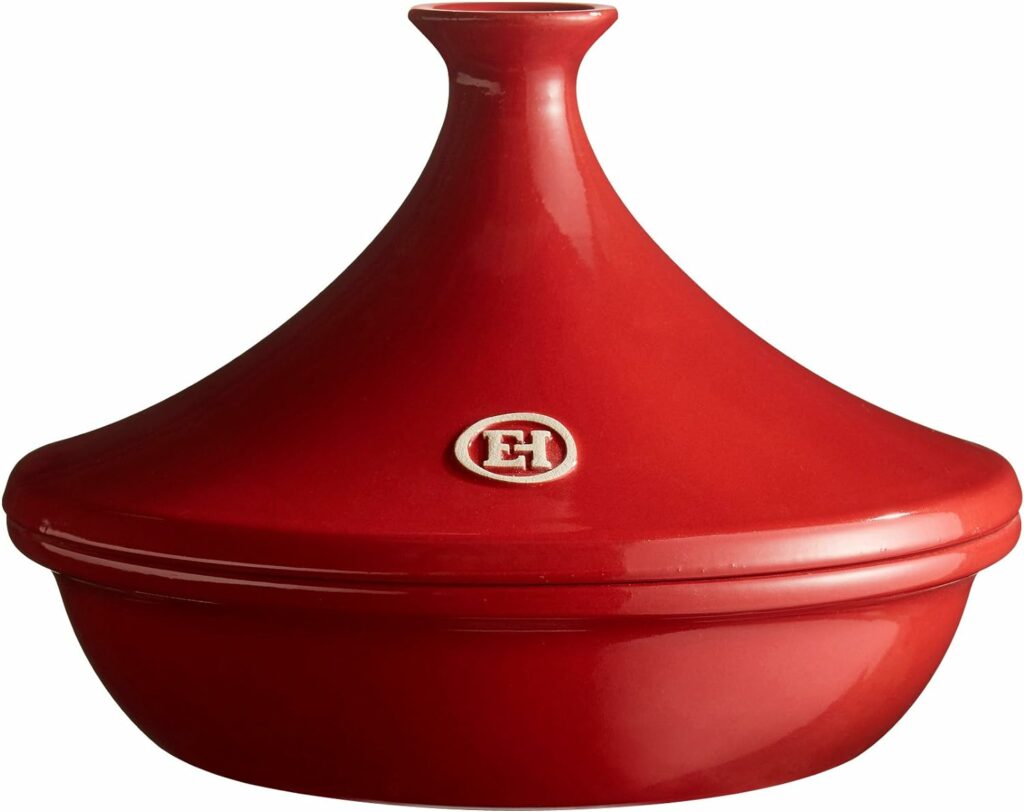
I’d recommend this tagine for anyone looking to infuse rich, layered flavors into their vegan dishes without much hassle.
Pros
- Enhances slow-cooked stews with a more intense taste
- Compatible with various heat sources, including the oven
- Effortless to clean with its non-stick ceramic
Cons
- Hefty price tag compared to other cookware
- The clay material requires careful handling
- Not as “earthy” as traditional clay tagines some purists might prefer
The moment I unboxed the Emile Henry Flame Tagine, I was eager to test it out with my favorite chickpea and vegetable stew recipe. Right away, I noticed how the unique lid design allowed steam to circulate perfectly, creating a moist and tender feast that had all the complex flavors of Morocco without any meat in sight.
Using it directly on my gas stove was a breeze. There was no need for a diffuser, and despite simmering for several hours, cleanup was a snap—just a bit of soaking, and it was as good as new.
I’ve been aiming to step up my culinary game, particularly with plant-based recipes, and this tagine has become my secret weapon. It’s an investment in your kitchen for sure, and it feels like it’ll last for ages, given the solid construction and 10-year guarantee. The aroma spreading throughout my kitchen was enough to tell me this was a smart pick—not to mention the compliments I received at the dinner table.
Uno Casa Tagine
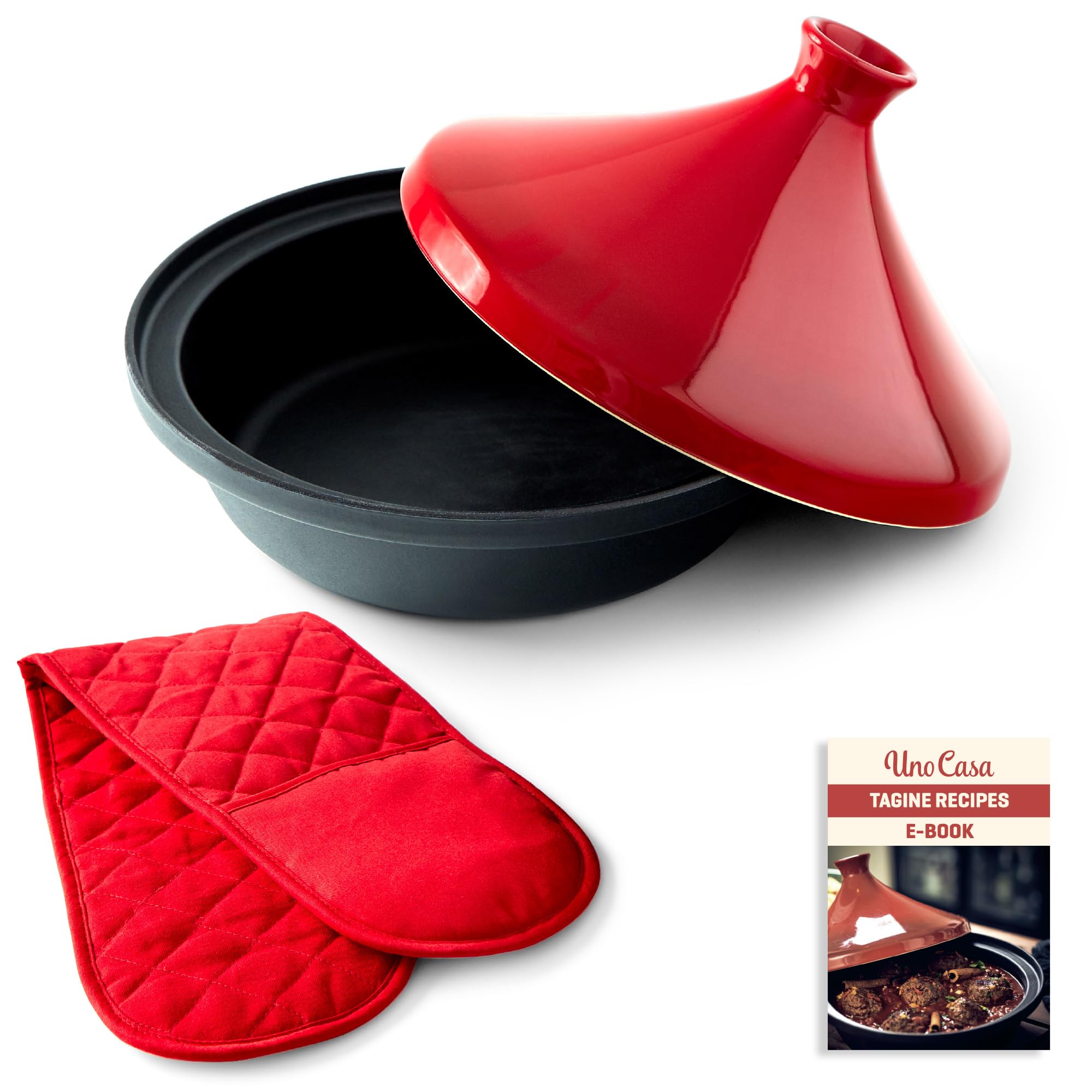
I must say, if you’re looking to dive into Moroccan cuisine with a reliable kitchen companion, the Uno Casa Tagine Pot is a keeper. Its robust performance effortlessly introduces those complex flavors right into your vegan spreads.
Pros
- Excellent heat distribution for even cooking
- Maintenance-free and naturally non-stick enamel cast iron
- Stunning presentation straight from the stove to the table
Cons
- Hefty weight might be a challenge for some to handle
- Can be bulky to store in a small kitchen
- No steam hole in lid requires occasional lid adjustment to manage moisture
Not only is this Moroccan tagine perfect for slow-cooking my hearty veggie stews and soups to perfection, but the unmatched flavor concentration it gives to my dishes is unparalleled. A recent chickpea and apricot tagine I whipped up had my friends raving!
Handling the cast iron base is a breeze, and I’ve noticed it holds onto heat exceptionally well, meaning my dishes stay warm and inviting as they sit at the center of the dining table. The ceramic lid is both functional and visually striking with its bright red hue – a standout piece in my kitchen, for sure.
Cleaning up after a sumptuous meal hasn’t been an issue either. Despite its size, the enamel surface has a non-stick quality that lets me clean it with minimal fuss. I’ve hosted a few Moroccan-themed dinners, and the Uno Casa Tagine has never failed to impress – both in cooking up delectable dishes and as a conversation piece.
Cooks Standard Stainless Tagine
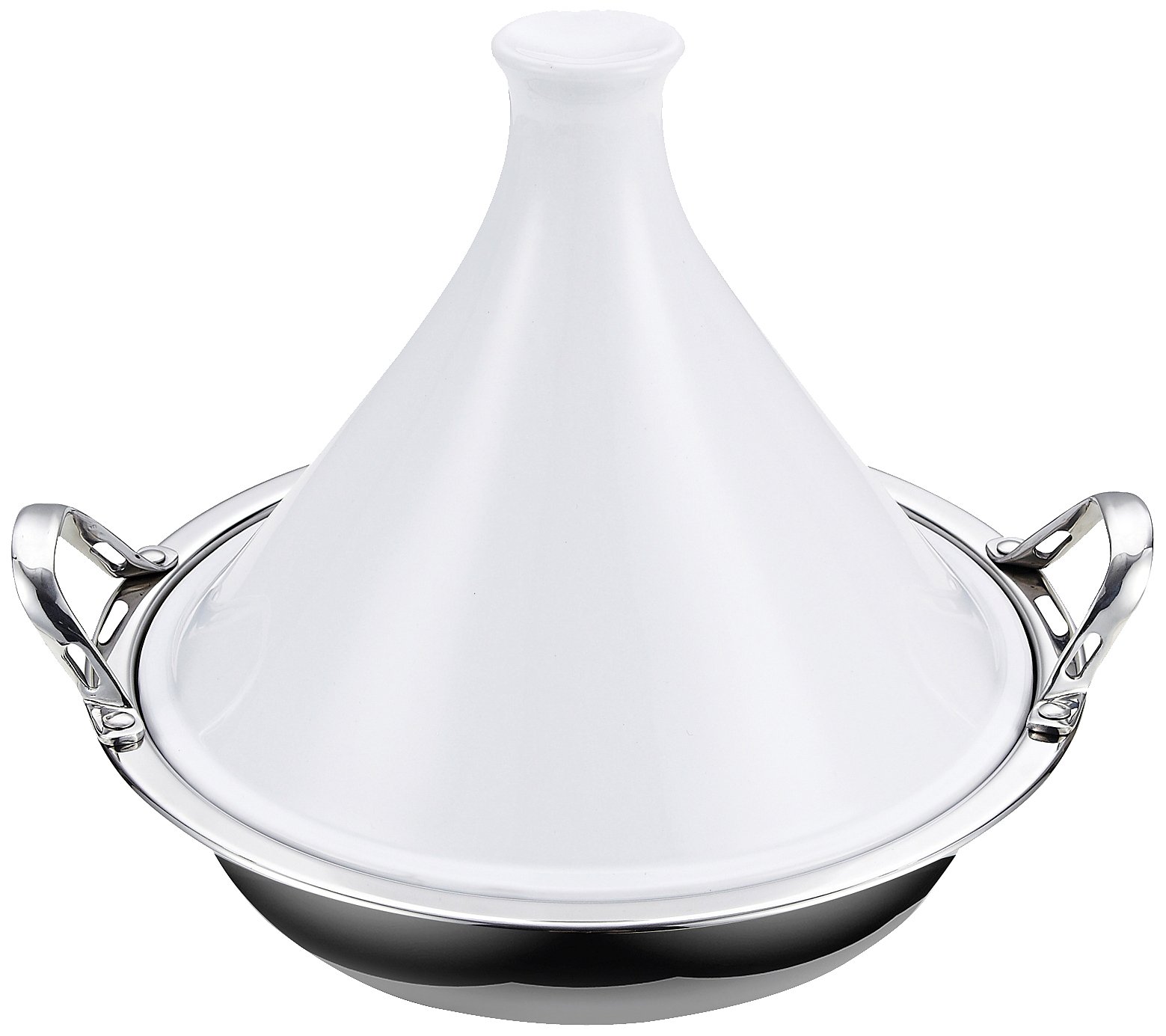
After giving this tagine a try, I must say it’s a solid pick for anyone seeking a reliable and versatile cooking vessel.
Pros
- Even heating with no hot spots thanks to the multi-ply clad construction
- Durable stainless steel design resists cracking, unlike traditional clay tagines
- Compatible with all stovetops, including induction, making it very versatile
Cons
- Larger than expected, which might not suit smaller meals or storage
- Some may miss the traditional aesthetics and taste of a clay tagine
- Requires gentle handling to maintain the integrity of the ceramic lid
Cooking with the Cooks Standard tagine made my weekend meal prep a breeze. The multi-ply construction distributed the heat evenly, which is a game-changer for slow-cooked vegan stews. The flavors melded beautifully, and the aroma that wafted through my kitchen was irresistible.
Its hefty size deserves a mention – while it’s perfect for batch cooking or family dinners, it does take up a fair amount of cupboard space. That said, the generous cooking surface has earned it a permanent spot on my stove.
Switching from high-heat searing to low and slow simmering without any hassle is a testament to the tagine’s versatility. Cleaning afterward was just as breezy, thanks to its dishwasher-safe feature. All in all, this Cooks Standard tagine left me impressed with its performance and ease of use.
Bruntmor Cast Iron Tagine
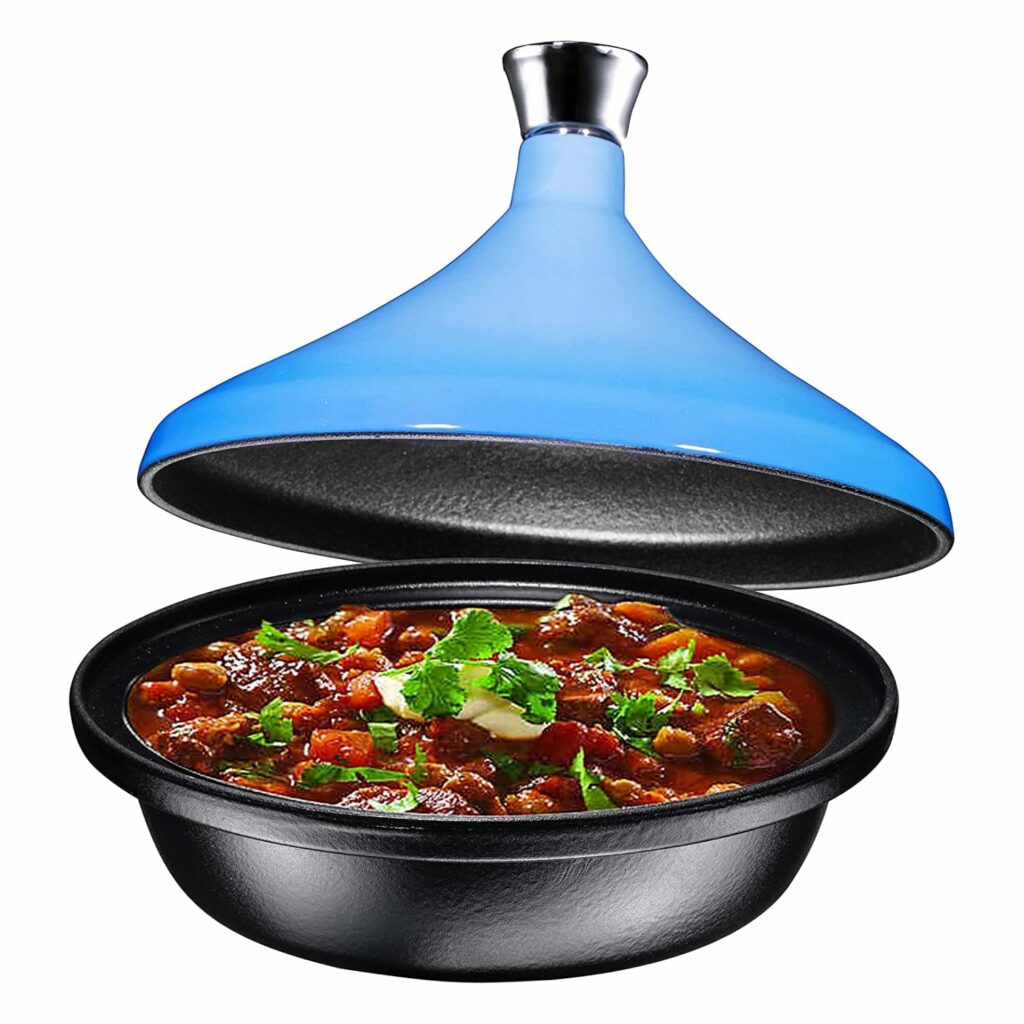
I just cooked with the Bruntmor Cast Iron Tagine, and I must say, if you’re aiming for that perfectly cooked veggie stew, this is your go-to.
Pros
- Maintains moisture and flavor
- Versatile and suitable for many heat sources
- Lightweight compared to other cast iron cookware
Cons
- Can be too bulky for small kitchens
- Not the traditional clay material
- The lid’s coating might chip over time
This tagine has a sturdy feel without being as heavy as others I’ve used, making it much easier to handle. Plus, the way it seals in moisture keeps everything inside juicy and full of natural flavors.
With its versatile design, I’ve been able to use it on various heat sources with no trouble at all. From the stovetop to the oven, the Bruntmor Tagine adapts smoothly. It’s a benefit I don’t take lightly, especially when I want to slow-cook my meals to rich perfection.
However, I did notice its sizable presence in my kitchen. It takes up a fair bit of room, but considering its functionality, I find it’s a space worth committing. And while it’s not your traditional clay tagine, it certainly holds its own with a modern twist on the classic design.
Cleaning was a breeze. Despite the lavish meals it’s capable of, this tagine doesn’t ask for a lot when it comes to maintenance – a quick hand wash, and it’s as good as new.
Verve Culture Moroccan Tagine
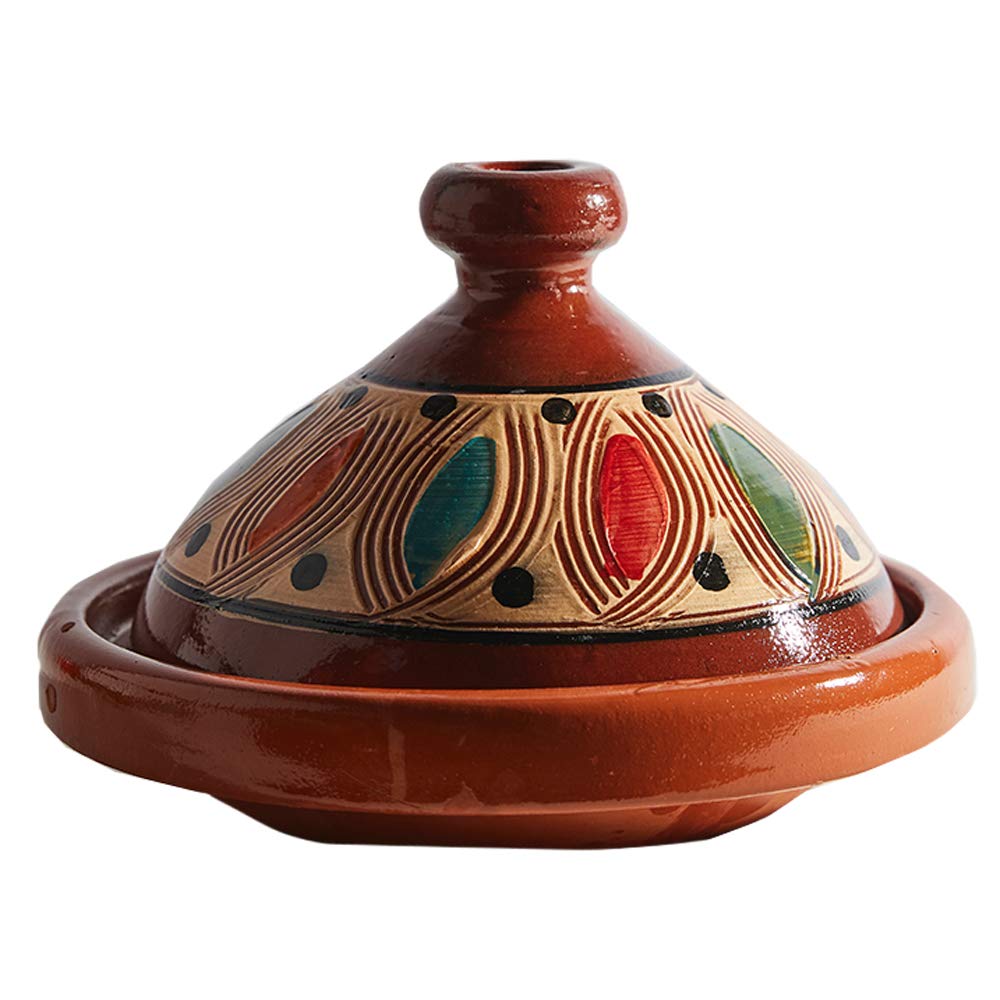
If you’re into vegan Moroccan dishes, this stunning tagine from Verve Culture is worth a look for its authentic cooking style.
Pros
- Retains heat for long-lasting warmth
- Adds an authentic touch to your Moroccan recipes
- Handmade, which gives each piece a unique character
Cons
- Fragile nature requires careful handling
- Hand wash only, which might be tricky for some
- The colors may be less vibrant than expected
I recently had the pleasure of using this Moroccan Tagine Pot by Verve Culture for a dinner party, and it was a hit. The slow cooking method allowed the spices in my chickpea and vegetable stew to meld beautifully, and the pot itself made an impressive centerpiece on the table. My friends couldn’t stop raving about the depth of flavor!
Despite my initial concern about using a ceramic piece over an open flame, the tagine distributed the heat evenly, ensuring each bite was as delightful as the last. It was a joy to watch the steam rise slowly from the top as the aromas filled my kitchen, transporting us to the heart of Marrakech.
However, it’s worth noting this tagine can be a bit high maintenance. When it came time for cleanup, I had to handle the piece rather gingerly to prevent any chips or cracks. Unfortunately, the colors on my piece weren’t as vivid as advertised, which was slightly disappointing, although it still looked pretty authentic.
For those who value slow-cooked, flavorful vegan meals and don’t mind the extra care required, this tagine is a worthy investment. Just be sure to handle it with love, and it’ll reward you with many memorable meals.
Le Creuset Tagine
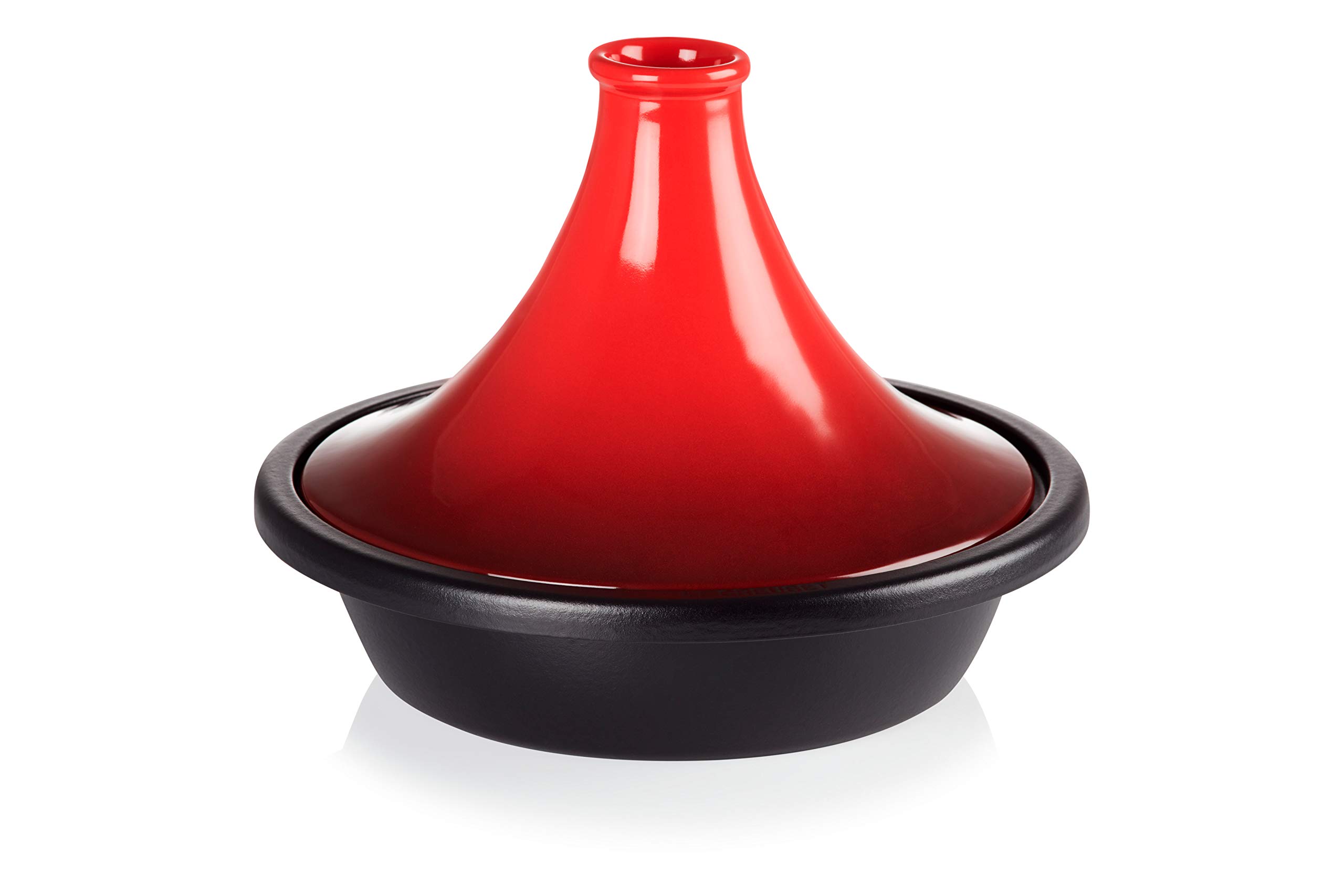
After simmering an aromatic stew, it’s clear this tagine is as functional as it is beautiful.
Pros
- Ensures even heat distribution and retention
- Lid design locks in moisture for tender cooking
- Safe for various heat sources, including induction
Cons
- Hand wash only, which may be inconvenient
- Hefty weight can be challenging to handle
- Stovetop use requires vigilance to prevent overheating
I recently had the pleasure of cooking with the Le Creuset Tagine, and it has been a delightful addition to my kitchen. The enameled cast iron base is a champ at retaining heat, and the colorful lid isn’t just for show – it really does circulate steam better than any other lid I’ve ever used.
I’ve found that the cone-shaped lid is fantastic for keeping all the goodness inside, which means all those spicy, fragrant aromas get infused right back into the dish. Yesterday’s veggie tagine was a feast of tenderly cooked roots and zucchini, all steeped in North African spices.
One thing to note is that it’s not the lightest piece of cookware, so preparing your mise en place ahead of time is helpful. Still, its heft is a testament to its durable construction. The wide rim is also a thoughtful touch, offering a secure grip as I move it from stovetop to table.
The Le Creuset Tagine has become my go-to for when I want to slow-cook a plant-based stew. Its ability to maintain a constant temperature with minimal fuss allows me to multi-task in the kitchen without worry. Plus, serving dinner straight from such a striking piece is always a conversation starter.
READ NEXT: Best Vegan Sausage: Tasty Picks for Plant-Based Cookouts
Buying Guide
Material
When I’m picking a tagine, I pay close attention to the material. Typically, they’re made of either glazed or unglazed clay. The unglazed variety offers a more traditional flavor but requires seasoning. Glazed tagines are easier to clean and often more decorative.
- Unglazed Clay: Requires seasoning, traditional cooking experience.
- Glazed Clay: Easier maintenance, potentially more decorative.
Size
I consider how many people I’m usually cooking for. Tagines come in various sizes, and it’s important to match the size with your usual cooking needs.
- Small: Serves 1-2 people.
- Medium: Serves 3-4 people.
- Large: Serves 5 or more.
Lid Design
The conical shape of the tagine’s lid is its defining feature, designed to condense steam and return it to the dish. I always check that the lid fits snugly to ensure proper steam circulation.
Heat Source Compatibility
Not all tagines are compatible with all heat sources. I check to see if it can be used on my stove or if it requires a diffuser. Some are oven-safe, which might affect my decision depending on my usual cooking habits.
- Stovetop Compatible: Direct or with diffuser.
- Oven-Safe: Can withstand oven temperatures.
Maintenance
Ease of cleaning is important to me, so I look for a tagine that can be cleaned without much fuss. Also, some may require hand washing while others are dishwasher safe.
- Hand Wash: Typically required for unglazed types.
- Dishwasher Safe: Mostly glazed types.
User Reviews
I always read through user reviews. Real-life usage insights help me gauge the tagine’s durability and performance in everyday cooking. But I also look for a consistent track record of satisfied users.
Liked this article? Complete your kitchen tools and check out the best bamboo steamer baskets next!
